
When Protection Becomes the Prison: How Fear Quietly Limits Growth
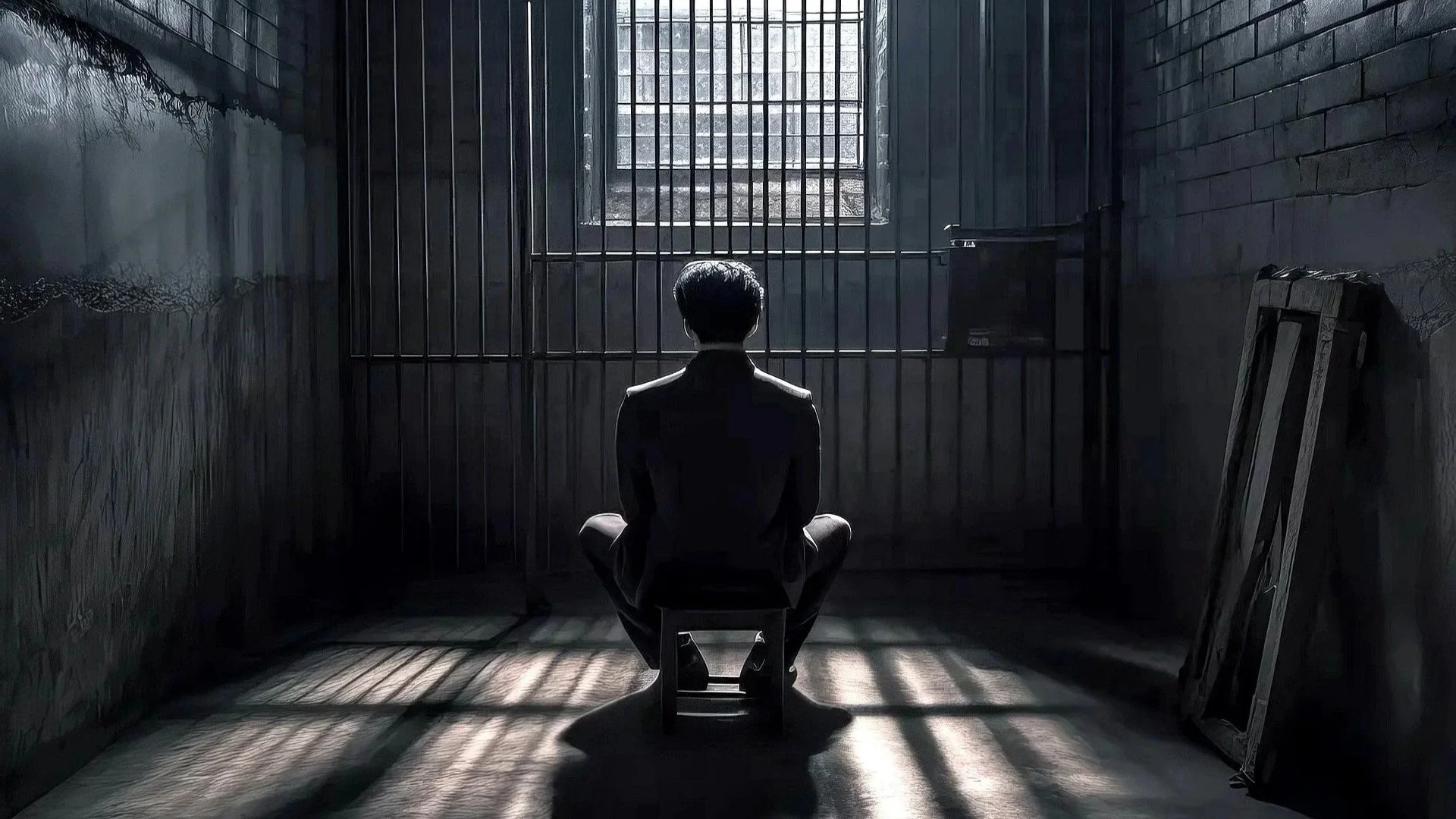
Fear begins as a guardian. It alerts us, shields us, and helps us survive what we do not yet have the capacity to understand. But what protects us in one season of life can imprison us in another. This is the quiet transition many people never notice—when self-protection outlives its purpose.
Fear does not suddenly turn against us. It simply stays too long.
As we grow, the strategies we once relied on often become automatic. The nervous system remembers what worked and repeats it, even when circumstances have changed. Over time, self-protection no longer feels like a choice—it feels like who we are.
Fear hides behind familiar behaviors:
control that looks like responsibility
avoidance that looks like independence
compliance that looks like kindness
emotional distance that looks like strength
These patterns are rarely questioned because they are socially acceptable and often rewarded.
In relationships, fear limits intimacy.
Self-protection may keep us from being hurt, but it also keeps us from being fully known. Walls built for safety slowly become barriers to connection. People long for closeness while simultaneously guarding against it.
This internal conflict creates tension—wanting connection but fearing vulnerability. Over time, fear shapes not only how we relate to others, but how deeply we allow ourselves to feel.
In learning and growth, fear restricts curiosity.
Fear of failure, judgment, or inadequacy makes experimentation risky. Mistakes feel threatening rather than informative. In educational settings, this can lead to performance-driven learning rather than genuine understanding.
When fear dominates, people choose what is safe over what is meaningful. Growth slows, not because of inability, but because the cost feels too high.
Control is one of fear’s most convincing disguises.
When life feels unpredictable, control offers the illusion of safety. Controlling outcomes, people, or emotions becomes a way to manage fear without addressing it. But control is exhausting. It requires constant vigilance and leaves little room for trust.
Ironically, the more control we seek, the more anxious we often become.
Emotional intelligence helps us recognize this pattern.
Fear does not dissolve through insight alone. Knowing why we behave a certain way does not automatically free us from it. The nervous system must experience safety, not just understand it.
This is why people can intellectually desire change while emotionally resisting it. Protection feels safer than possibility.
The cost of chronic self-protection is subtle but significant. Over time, it limits:
emotional flexibility
creativity
resilience
openness to change
Life becomes narrower. Predictable. Manageable—but smaller. Fear keeps us safe, but it also keeps us contained.
And yet, fear is not wrong. It is outdated.
What once protected us no longer fits who we are becoming. The work is not to eliminate fear, but to update it—to teach the nervous system that safety can exist alongside vulnerability. This is where growth begins.
Self-protection is not failure. It is intelligence responding to risk.
But maturity invites a new question: Is this protection still serving me—or is it keeping me from becoming more fully alive?
Fear does not loosen its grip when it is challenged. It softens when it is understood.
And understanding is the first step toward freedom.