
Fear, Safety, and the Nervous System: Why Change Cannot Be Forced
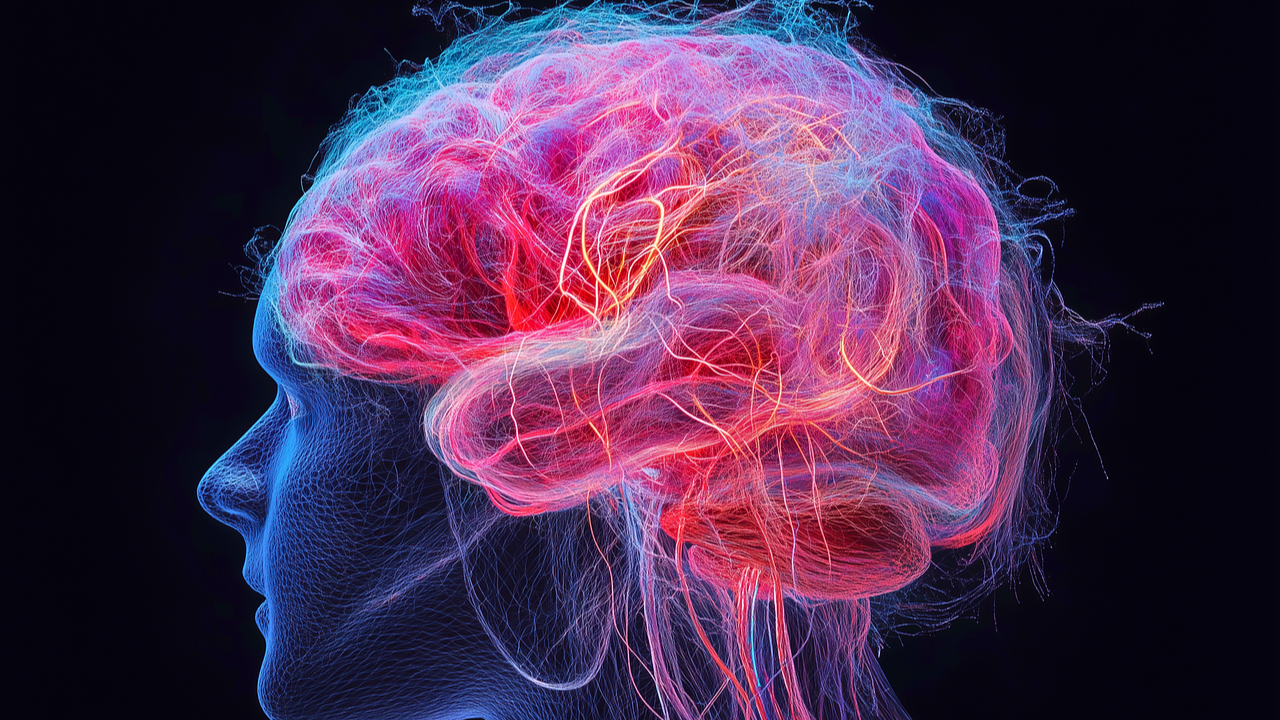
Fear is not primarily a thought. It is a bodily experience. This is why fear often remains even after we “know better.” Insight alone does not dissolve fear because fear does not live in logic—it lives in the nervous system. Until the body feels safe, self-protection remains active.
Understanding this changes how we approach growth.
From early life onward, the nervous system learns through experience. It learns what is safe, what is threatening, and what requires protection. These lessons are stored not as memories we can easily access, but as automatic responses. This is why fear shows up faster than reason. The body reacts before the mind has time to evaluate.
Self-protection, then, is not a conscious choice—it is a learned response.
Many attempts at change fail because they confront fear rather than regulate it. Pressure, shame, ultimatums, and even well-intended advice can activate the very defenses they are trying to remove. When fear senses threat, it tightens. Control increases. Avoidance deepens. From a nervous system perspective, this is not resistance—it is survival.
Safety is the gateway to transformation.
When the nervous system feels safe, curiosity becomes possible. Reflection replaces reactivity. Emotional flexibility returns. Safety does not mean comfort—it means the absence of threat.
This is why environments matter. People do not grow because they are pushed; they grow because they are supported.
Regulation precedes growth.
Before fear can soften, the body must experience calm, connection, and predictability. This can happen through:
attuned relationships
consistent routines
compassionate listening
grounding practices
respectful boundaries
These experiences teach the nervous system something new: I can stay present without danger. Only then does change become sustainable.
Emotional intelligence helps translate safety into growth.
Self-awareness allows us to recognize fear without judgment. Self-regulation helps us stay with discomfort without being overwhelmed. Empathy—toward ourselves and others—creates the relational safety fear needs to release its grip.
Emotional Intelligence does not eliminate fear. It teaches fear where it no longer needs to lead.
In education, parenting, and leadership, this principle is critical. Children do not learn emotional regulation through punishment. Students do not learn courage through humiliation. Adults do not grow through pressure alone.
Fear recedes when people feel seen, respected, and supported. Fear does not need to be challenged. It needs to be reassured.
Change begins not when we demand bravery, but when we create safety. Not when we fight self-protection, but when we understand why it exists.
The nervous system learns slowly—but it learns well. And when safety becomes familiar, fear finally loosens its hold.