
Fear, Faith, and the Courage to Trust: What We Hold onto When Control No Longer Works
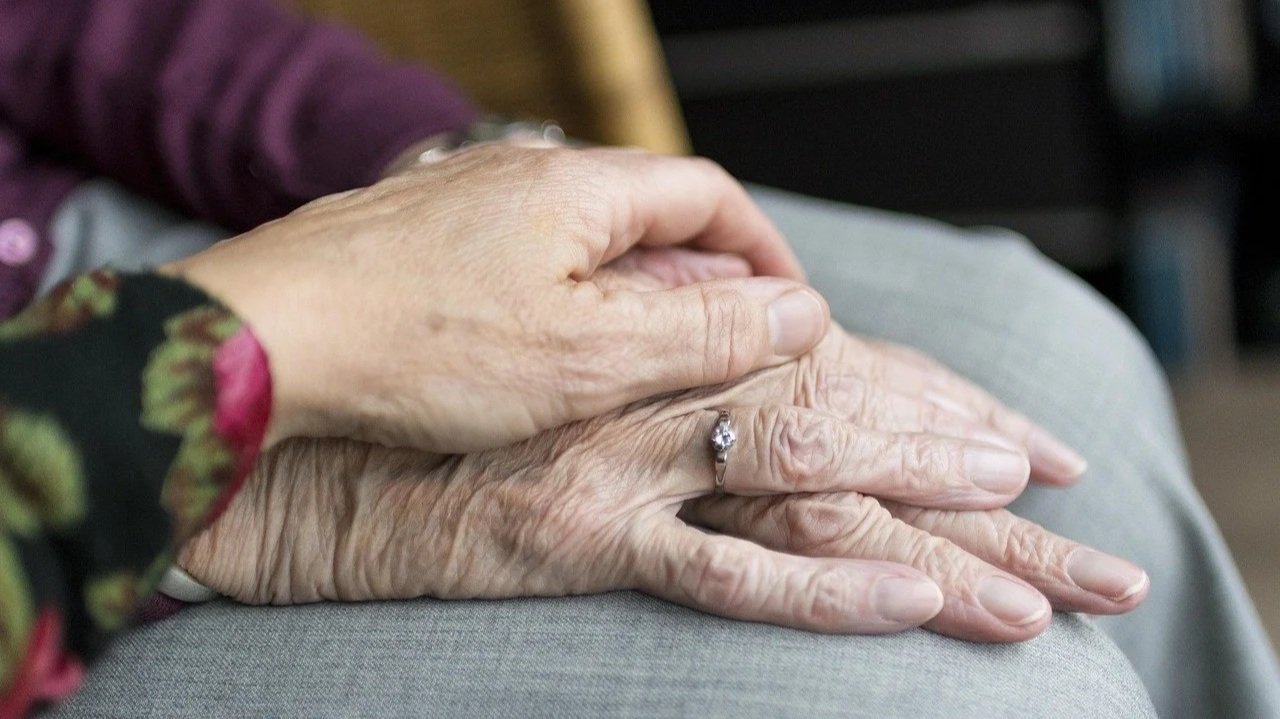
Fear does not disappear simply because we grow older, wiser, or more informed. For many, fear becomes quieter but more entrenched. It hides behind responsibility, caution, and self-reliance. When control feels like the only option, trust feels risky—sometimes even irresponsible. Yet this is precisely where faith, in its deepest sense, enters the human story.
Faith does not remove fear. It invites us to relate to it differently.
Across spiritual traditions, fear is not condemned—it is acknowledged. “Do not be afraid” is often misunderstood as a command to suppress fear. In reality, it is an invitation to trust beyond what can be controlled. Faith recognizes fear as part of being human, while gently reminding us that fear does not have to be in charge.
From a developmental lens, faith becomes a counterweight to chronic self-protection.
Control is fear’s preferred strategy.
When outcomes feel uncertain, control offers a sense of stability. We manage, plan, and protect—not because we want power, but because unpredictability feels unsafe. Control promises relief, but it demands constant effort. The more we rely on it, the more anxious we become.
Faith, by contrast, asks for surrender—not passivity, but discernment. It invites us to loosen our grip on what we cannot command and place trust in something larger than ourselves. This is not easy work. It goes against the nervous system’s instinct to protect.
Emotionally, trust requires safety.
Faith that ignores emotional reality becomes denial. But faith that understands fear works with the nervous system rather than against it. Trust grows not through pressure, but through repeated experiences of safety—internally and relationally.
This is why spiritual growth and emotional intelligence must walk together. One without the other becomes fragile.
Fear often convinces us that vulnerability is dangerous.
Faith reframes vulnerability as courageous. To trust is not to be naïve; it is to choose openness despite uncertainty. This kind of trust does not eliminate boundaries—it strengthens them by grounding them in discernment rather than fear. Mature faith does not demand certainty. It cultivates courage.
Spiritually, fear can become a teacher. It reveals where we cling, where we distrust, and where we have learned to rely only on ourselves. In this sense, fear is not an obstacle to faith—it is an invitation into deeper awareness.
Transformation begins when we ask not, How do I get rid of fear? but What is fear trying to protect—and is there another way to feel safe?
From an emotional intelligence perspective, faith offers meaning where fear narrows perspective. Fear focuses on immediate threat. Faith widens the lens. It helps individuals endure uncertainty without collapsing into control or avoidance. This widening does not come from willpower—it comes from connection, reflection, and grounded trust.
Faith does not promise a life without fear. It promises a life where fear does not have the final word.
As the new year unfolds, perhaps the invitation is not to tighten control, but to loosen it—to trust where it feels difficult, to release what exhausts, and to remain present when fear whispers that safety can only come from self-protection.
Courage is not the absence of fear. It is the willingness to trust while fear is still present.