
Fear Across Developmental Stages: How Self-Protection Shapes Us Before We Know It
Fear is one of the earliest teachers we encounter in life. Long before we can think, reason, or speak, fear is already at work in the body. It alerts, signals, and protects.
From a developmental perspective, fear is not a flaw—it is a design. It keeps infants close to caregivers, helps children avoid danger, and teaches boundaries as we grow.
The challenge is not fear itself, but what happens when fear is never guided, soothed, or understood.
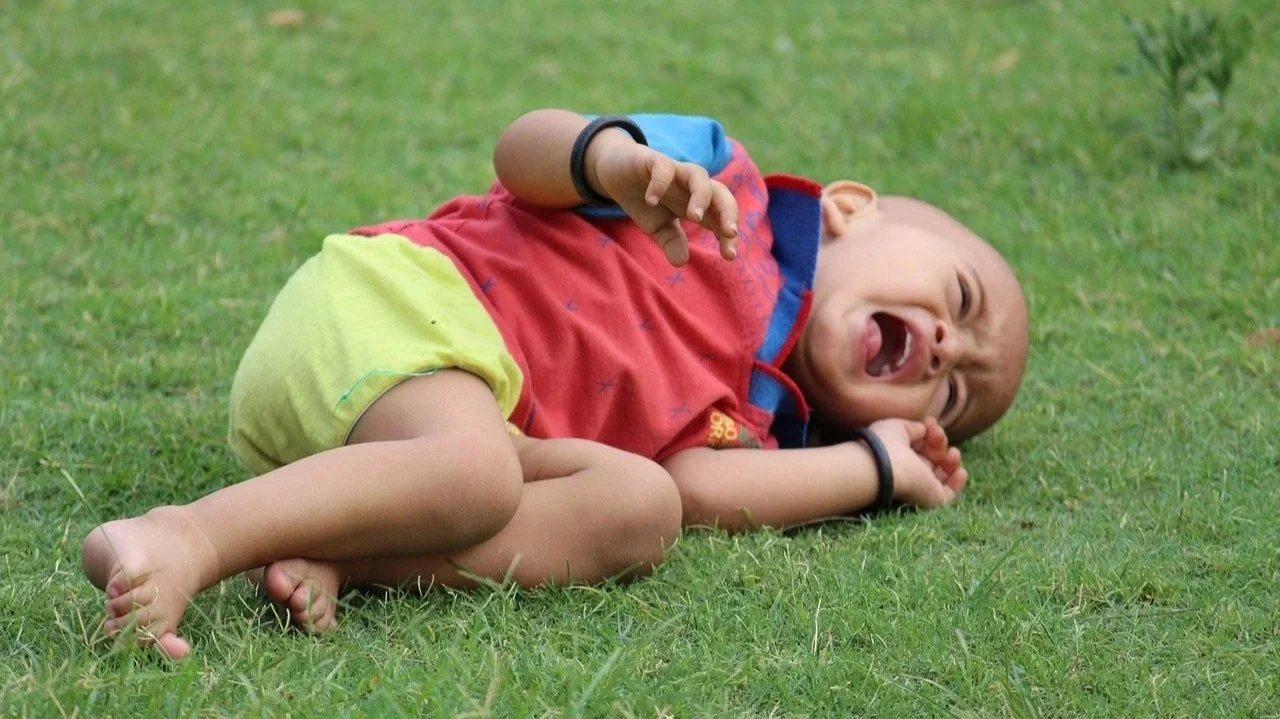
Fear begins as a biological response. An infant cries not out of manipulation, but because their nervous system senses distress. Hunger, discomfort, separation—these are not intellectual experiences, but embodied ones. At this stage, fear’s job is simple: signal need.
When caregivers respond with consistency and warmth, the child learns something profound without words: the world is safe enough. Fear arises, is met, and settles. Regulation begins here. But when fear is ignored, punished, or met with unpredictability, the nervous system adapts. Self-protection quietly takes root.
As children grow, fear becomes more complex. It is no longer just about physical safety, but emotional belonging. Children begin to fear:
disapproval
rejection
abandonment
failure
Self-protection shows up as compliance, withdrawal, perfectionism, or emotional suppression. These are not character flaws—they are adaptive strategies. They help children stay connected to the adults and environments they depend on.
At this stage, fear teaches children how to survive emotionally.
Adolescence intensifies fear.
The developing brain is now navigating identity, peer acceptance, autonomy, and uncertainty. Fear often shifts toward social judgment, inadequacy, and loss of control. Risk-taking and emotional volatility are not signs of immaturity alone—they reflect a nervous system learning how to manage heightened sensitivity.
Without guidance, adolescents may confuse fear with weakness and protection with strength. Control, defiance, or emotional numbing can emerge as shields against vulnerability.
By adulthood, fear often becomes invisible.
It no longer announces itself as fear. Instead, it wears the masks of:
control
avoidance
rigidity
over-functioning
emotional distance
What once protected a child now shapes an adult’s relationships, decisions, and sense of self. Developmentally, fear was meant to evolve into discernment. But when unresolved, it lingers as limitation. Adults are rarely “afraid” in obvious ways—they are protected.
And yet, fear is not the villain in this story. Healthy fear sharpens awareness. It helps us pause, reflect, and choose wisely. It teaches boundaries and humility. Developmentally integrated fear becomes wisdom.
The problem arises only when fear remains unmanaged and self-protection becomes permanent.
Growth, at every stage, requires safety.
When fear is met with understanding rather than dismissal, it softens. When environments—homes, schools, communities—prioritize emotional safety, fear loses its grip. The nervous system learns that protection is no longer the only option.
From an emotional intelligence perspective, this is where maturity begins.
Fear enters our lives to protect us, not to define us. As we begin a new year, perhaps the invitation is not to eliminate fear, but to ask gently: What did this fear once protect? And what might it be preventing now?
Development is not about becoming fearless. It is about becoming safe enough to grow.