
Fear and Self-Protection: The Forces That Shape Us Before We Know Ourselves
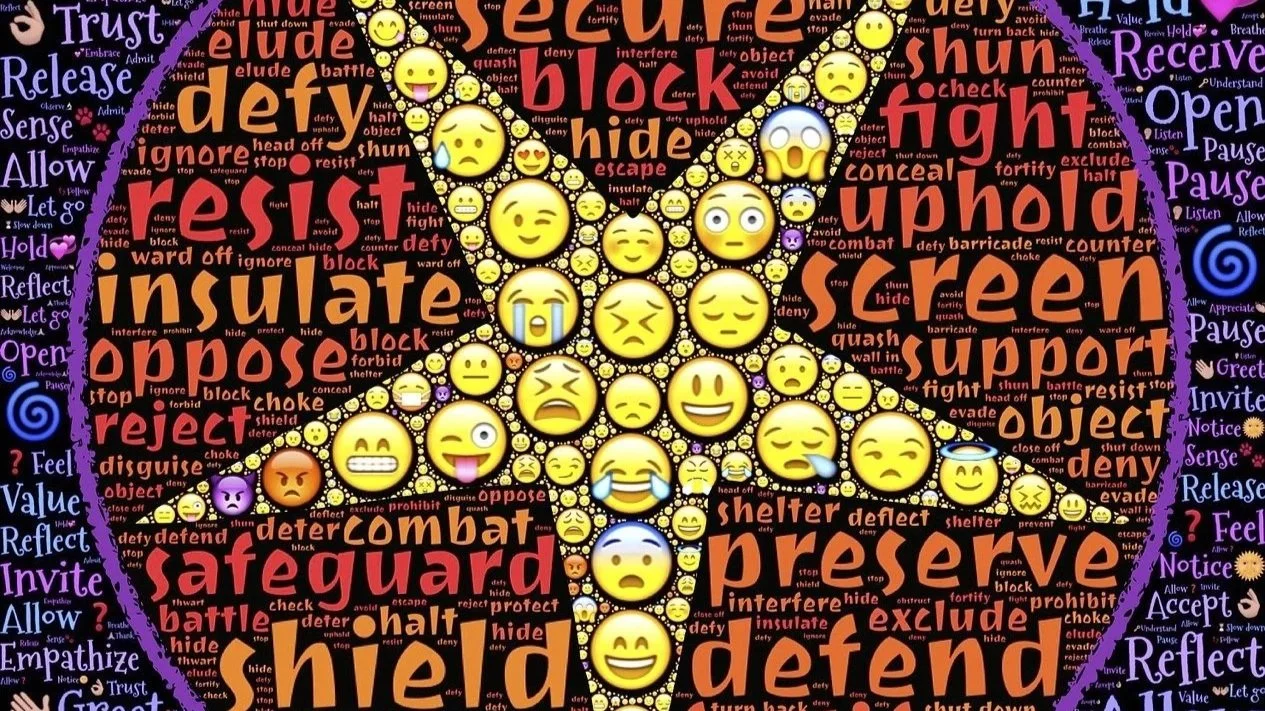
Fear is not the enemy we often make it out to be. From the earliest moments of life, fear serves a purpose. It alerts, protects, and preserves. Self-protection, born from fear, is one of the most natural human responses. Without it, survival would be impossible. And yet, when fear becomes dominant rather than discerning, it quietly begins to shape who we become.
Understanding the relationship between fear and self-protection is essential—not just for emotional intelligence, but for human development itself.
Fear as a Developmental Teacher
Fear appears before reason.
Infants cry not because they understand danger, but because their nervous systems are wired to signal distress. This early fear is not learned—it is biological. It ensures proximity to caregivers and increases chances of survival.
As children grow, fear evolves:
fear of separation
fear of rejection
fear of failure
fear of loss
At each stage, fear teaches boundaries. It says pay attention. In healthy environments, fear is met with reassurance, helping the child learn regulation rather than avoidance. When fear is acknowledged and guided, it matures into discernment.
Self-Protection: A Necessary Beginning
Self-protection is fear’s behavioral partner. It shows up as:
withdrawal
control
compliance
defensiveness
hyper-independence
In childhood, these responses are often adaptive. They help a child survive emotional unpredictability, instability, or lack of attunement. Self-protection is not weakness—it is intelligence responding to perceived threat. The challenge arises when self-protection becomes permanent.
When Protection Freezes Development
Developmentally, self-protection is meant to evolve. What protects a child should not imprison an adult. But when fear is unresolved, protective strategies harden into personality traits. What once kept us safe begins to limit growth.
For example:
vigilance becomes anxiety
independence becomes isolation
control becomes rigidity
emotional restraint becomes numbness
Fear no longer protects life—it restricts it.
The Hidden Cost of Chronic Self-Protection
Chronic self-protection carries a quiet cost. It reduces:
emotional intimacy
creativity
curiosity
trust
flexibility
Development stalls not because people lack ability, but because their nervous systems remain on guard. Growth requires openness, and openness feels unsafe when fear dominates. From an emotional intelligence lens, this is not a character flaw—it is an unregulated survival state.
The Positive Side We Often Overlook
Fear is not only restrictive. Healthy fear:
sharpens awareness
prevents harm
encourages preparation
fosters humility
Self-protection, when flexible, teaches boundaries. It helps individuals discern when to engage and when to step back. The goal is not to eliminate fear, but to mature it. Mature fear becomes wisdom.
Developmental Healing: From Protection to Presence
Growth begins when fear is acknowledged rather than fought. When individuals feel emotionally safe, self-protection naturally softens. Regulation replaces reactivity. Discernment replaces avoidance.
This is why relationships matter. Healing does not happen in isolation—it happens in environments where fear is met with understanding rather than pressure.
Fear, Faith, and Meaning
Across spiritual traditions, fear is often addressed not with denial, but with invitation. “Do not be afraid” is not a command to suppress fear, but an invitation to trust beyond it. Faith offers a counterweight to fear—not by eliminating risk, but by anchoring the heart. Faith reframes fear from a master into a messenger.
Fear and self-protection are not enemies of growth—they are its earliest teachers. But development asks us to revisit what once kept us safe and ask: Is this still serving me?
The work of maturity is not to become fearless, but to become discerning. Not to abandon self-protection, but to allow it to soften into wisdom.
As we enter a new year, perhaps the invitation is not to fight fear—but to listen to it, understand it, and gently lead it into something greater.