
You Don’t Change Alone: The Role of Environment and Relationships
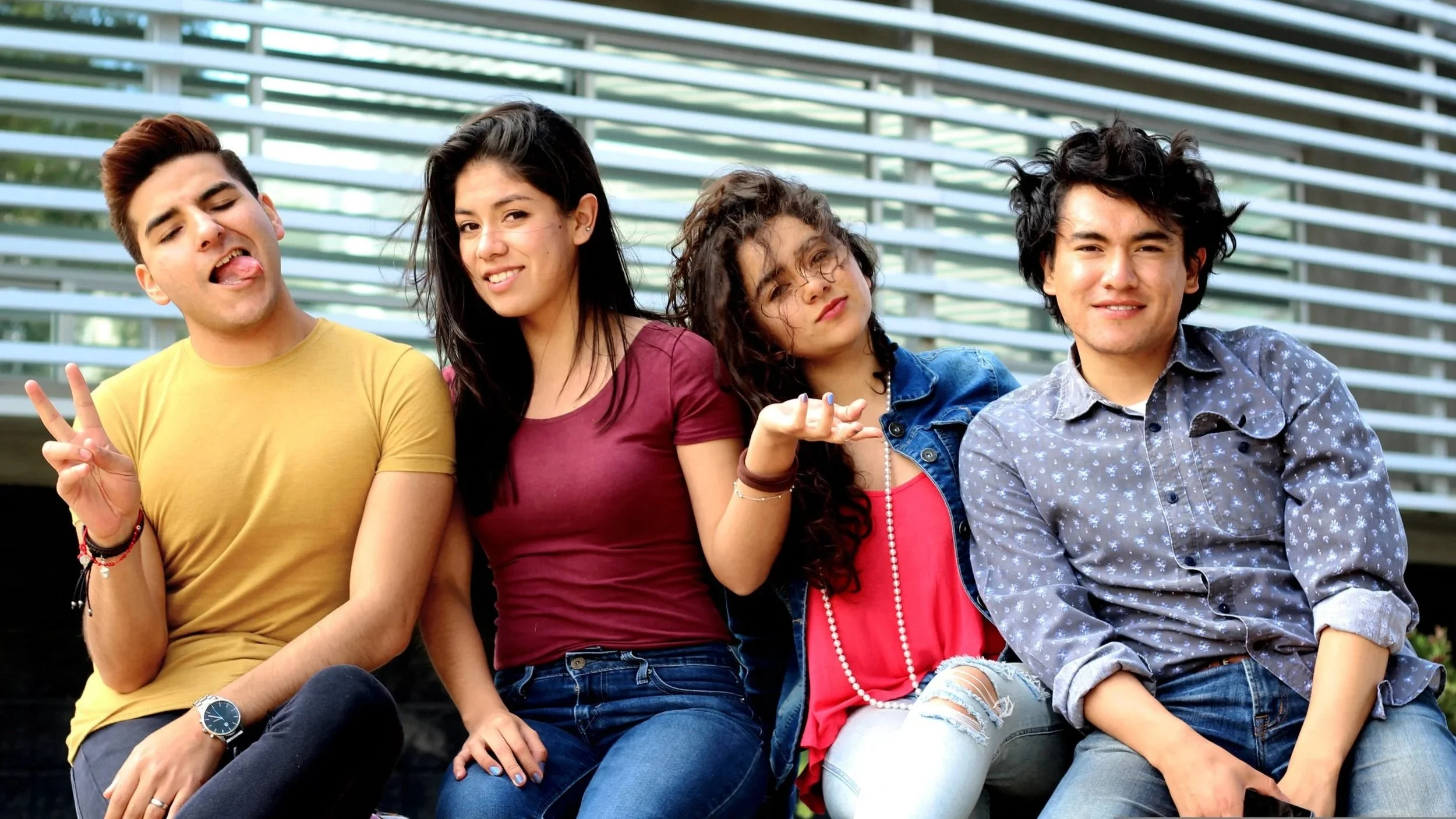
Have you ever noticed how your behavior changes depending on who you’re with?
You’re more patient with some people… and easily triggered by others
You feel calm in certain environments… and tense in others
You grow in some spaces… and feel stuck in others
Why does this happen? If change is a personal decision, why does it seem so dependent on our surroundings?
The Invisible Influence of Environment
We often think of change as an individual effort:
“I need to be more disciplined.”
“I need to try harder.”
“I need to apply what I’ve learned.”
But this overlooks something critical: Our environment is constantly shaping our behavior. This includes:
the people around us
the emotional tone of our relationships
the spaces we spend time in
the patterns that are normalized in our surroundings
We Adapt to What Is Around Us
As humans, we are wired for connection and belonging. Because of this, we naturally:
adjust our behavior to fit our environment
mirror the emotions of those around us
adopt the norms of the group
This happens subtly… often without awareness. So if a person is in an environment where:
anger is common
communication is harsh
emotional expression is limited
They may find themselves:
reacting more quickly
speaking more harshly
shutting down emotionally
Not because they want to, but because they are adapting.
Why Change Feels Hard in the Same Environment
This is where many people struggle. They learn new ways of:
thinking
responding
relating
But then they return to the same environment that:
reinforces old patterns
triggers familiar emotions
rewards previous behaviors
So even with new knowledge, the environment keeps pulling them back.
The Power of Relational Patterns
Relationships are especially powerful because they are:
emotional
repetitive
deeply ingrained
For example: If two people have developed a pattern of:
reacting quickly
misunderstanding each other
escalating conflict
Even if one person tries to change, the existing pattern may pull them back in. Because the relationship itself has a rhythm.
A Real-Life Example
A teacher learns emotional regulation and wants to respond calmly. But they are in a classroom where:
students are frequently disruptive
stress levels are high
support is limited
Even with the best intentions, their environment constantly challenges their capacity. So the issue is not just: “Can they apply what they learned?” But also: “What are they surrounded by every day?”
Environment Can Support or Undermine Change
There are environments that: Support Growth -
encourage reflection
allow mistakes
promote calm and respect
reinforce new behaviors
And there are environments that: Undermine Growth -
normalize reactivity
discourage vulnerability
create constant stress
reinforce old patterns
The difference is significant. Because over time, we tend to become like the environments we stay in.
The Role of Safe Relationships
For real change to take root, people need spaces where they feel:
safe
seen
not judged
supported in trying something new
Because trying new behaviors—especially emotional ones—can feel vulnerable. Without safety, the system will default back to protection.
Why Community Matters
Change is more sustainable when it is shared and supported. When people are surrounded by others who are:
also growing
also practicing
also aware
It creates:
accountability
encouragement
reinforcement
And most importantly, it makes the new way feel normal.
A Compassionate Reframe
Instead of asking: “Why can’t I change?”
We might ask: “What in my environment is reinforcing my current patterns?”
A Simple Truth
“We don’t just practice behaviors… we absorb environments.”
Where This Leaves Us
If environment plays such a powerful role, then part of change involves:
becoming aware of our surroundings
intentionally creating supportive environments
seeking relationships that reinforce growth
setting boundaries where needed
Because while change is personal, it is never isolated.