
Rewiring the System: How Real Change Actually Happens
By now, we’ve uncovered something important:
We don’t always do what we know
Habits tend to override new learning
Emotions can hijack our responses
Many of our patterns were shaped early
And change can feel like a threat to our identity
So the question becomes: If all of this is true… how do we actually change? Not temporarily. Not intellectually. But in a way that is real, lasting, and embodied.
Change Is Not an Event—It’s a Process
One of the biggest misconceptions about growth is this: We think change should happen when we decide. But real change doesn’t happen in a moment of decision. It happens through a process of:
awareness
practice
repetition
reinforcement
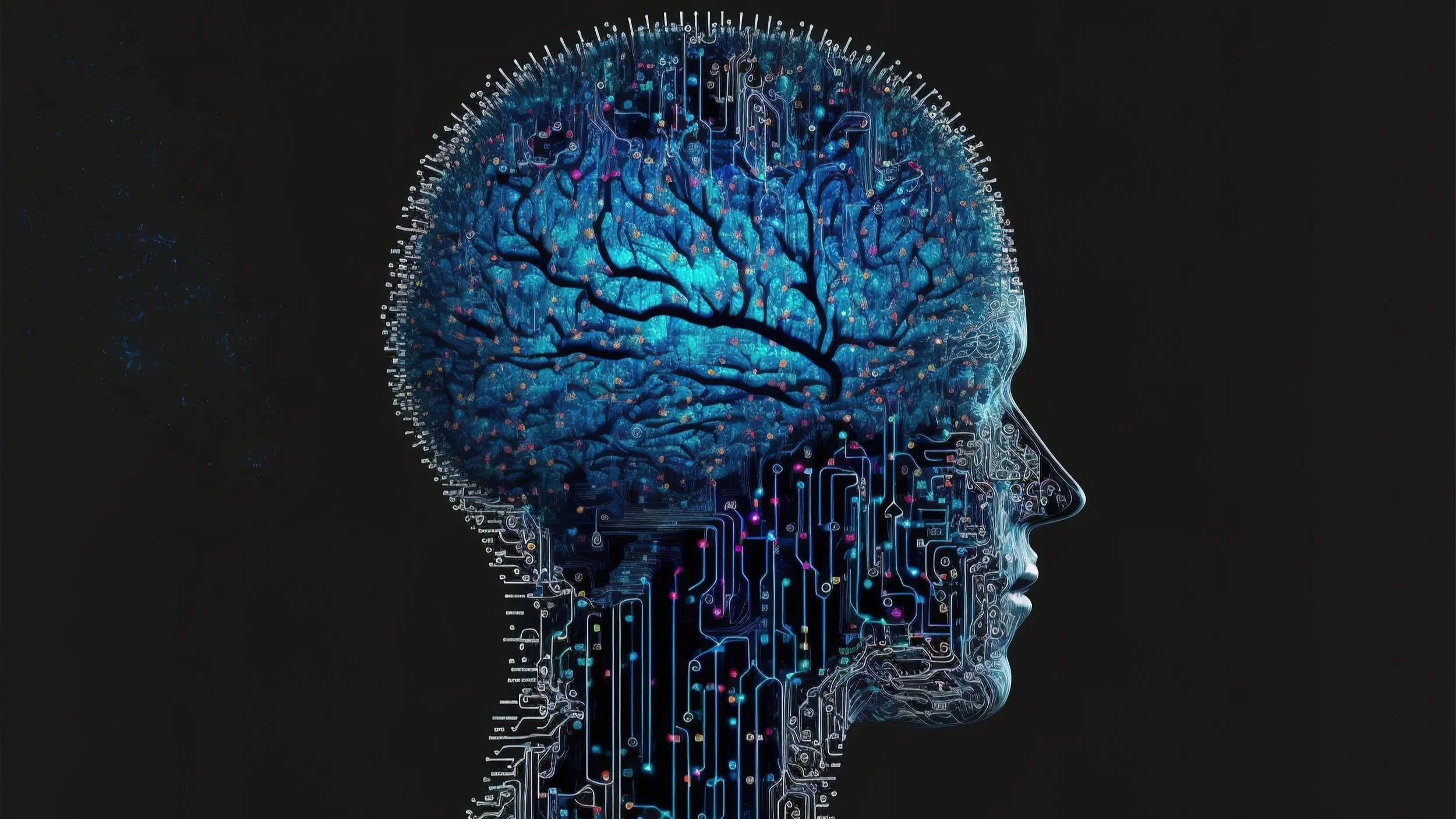
Because we are not just changing thoughts, we are rewiring patterns that have been practiced over time.
The Principle of Rewiring
The brain changes through a simple but powerful principle: What is practiced repeatedly becomes strengthened.
Old patterns feel natural because they’ve been practiced many times. New patterns feel unnatural because they haven’t. So the goal is not to “try harder”, it’s to practice differently—consistently.
Why Small Changes Matter
Many people try to change in big, dramatic ways:
“I’m going to be completely different starting today.”
“I’ll never react like that again.”
But when the change is too big, the system resists. Instead, real change looks like:
small shifts
repeated often
in real-life situations
For example:
pausing for 2 seconds before responding
lowering your tone slightly
choosing one moment to stay present instead of reacting
These may seem small, but they are how new pathways begin.
From Awareness to Action
Awareness is the starting point. But awareness alone is not enough. We must move into intentional action. A helpful way to think about it:
Notice the pattern - “I tend to react quickly when I feel disrespected.”
Interrupt the pattern - “Let me pause here.”
Insert a new response - “I will respond more calmly.”
At first, this will feel slow and effortful. That’s not a problem. That’s the process of rewiring.
Practicing in the Right Conditions
Here’s something important: If we only try to change in high-stress moments, we will likely fall back into old patterns. So we need to practice in:
low-pressure situations
safe environments
moments of awareness
This builds the skill gradually, so it becomes more accessible during stress.
The Role of Repetition
Repetition is what transforms effort into instinct. At first: the new behavior feels unnatural. With repetition, it becomes more familiar. Eventually, it becomes automatic.
This is how the old pattern was formed and this is how the new one is built.
Expect Discomfort
One of the most important parts of change is this: It will feel uncomfortable. Not because it’s wrong, but because it’s unfamiliar. This discomfort often leads people to think:
“This isn’t working”
“This isn’t me”
“I should go back”
But discomfort is not failure. It is evidence that something new is being formed.
A Real-Life Example
A parent who usually reacts with frustration begins practicing:
pausing before speaking
lowering their voice
choosing calmer words
At first, it feels forced. They may still slip back into old reactions. But over time, with repetition:
the pause becomes easier
the tone becomes more natural
the response becomes more consistent
Eventually, what once felt unnatural becomes their new normal.
Consistency Over Perfection
Many people give up because they expect perfection. But real change is not about getting it right every time. It’s about returning to the practice again and again, even after mistakes. Because every repetition— even imperfect ones — contributes to rewiring.
A Compassionate Reframe
Instead of saying: “I’m not changing fast enough.”
We might say: “I am in the process of retraining my system.”
A Simple Truth
“We don’t change by knowing more. We change by practicing differently.”
Where This Leaves Us
If real change happens through practice, then transformation requires:
patience with the process
willingness to feel discomfort
commitment to repetition
Because over time, what we practice… we become.