
The Identity Trap: Why Change Can Feel Like Losing Yourself
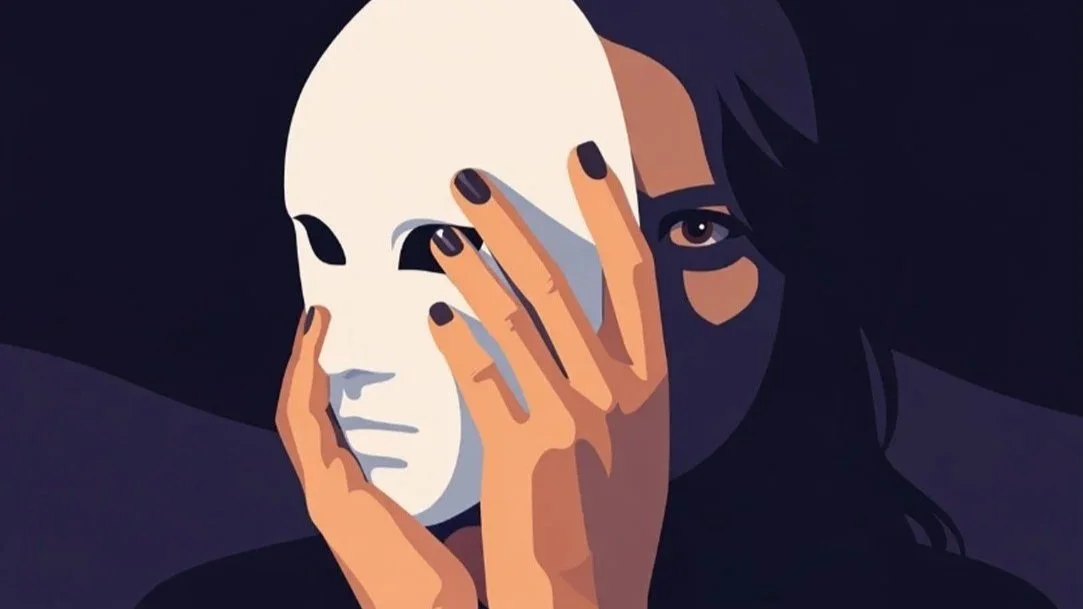
Have you ever tried to change… and felt an unexpected resistance from within? Not just difficulty… but something deeper. Almost like a quiet voice saying:
“This isn’t me.”
“This feels off.”
“I don’t feel like myself.”
Even when the change is good. Even when it aligns with what you’ve learned. It can feel uncomfortable in a way that is hard to explain. Why?
When Habits Become Identity
Over time, our repeated behaviors don’t just become habits. They become part of how we see ourselves. We begin to form identities like:
“I’m just not an emotional person.”
“I’ve always had a short temper.”
“I’m the quiet one.”
“I don’t trust people easily.”
“I’m just wired this way.”
These statements may feel like truth. But often, they are simply patterns that have been repeated long enough to feel permanent.
The Brain Protects Identity
Here’s something powerful to understand: The brain works hard to maintain consistency in identity. Why? Because identity creates:
predictability
stability
a sense of control
So when you try to change a behavior that is tied to your identity, it doesn’t just feel like learning something new. It feels like losing a part of yourself.
Why Change Feels Unnatural
Let’s say someone has lived most of their life being:
reactive in conflict
guarded in relationships
highly independent
Then they begin to learn:
emotional regulation
vulnerability
trust
Even if they want these things, when they try to practice them, it may feel:
awkward
uncomfortable
even “fake”
And they might think: “This isn’t me.”
But what they are really experiencing is this - the unfamiliar feeling of becoming someone new.
The Tension Between Old Self and New Self
Change creates an internal tension:
The old self feels familiar, practiced, and “safe”
The new self feels uncertain, effortful, and unfamiliar
And in that tension, the mind may try to pull you back by saying:
“Go back to what you know.”
“This is who you are.”
“Don’t change too much.”
Not because change is wrong, but because the brain is trying to preserve continuity.
Identity Is Often Built on Adaptation
Here’s something even deeper. Many parts of our identity were formed through adaptation:
“I’m strong” may have come from needing to suppress vulnerability
“I don’t need anyone” may have come from unmet needs
“I stay quiet” may have come from avoiding conflict
“I’m always in control” may have come from chaos
So when change invites us to:
open up
depend on others
express emotions
let go of control
…it can feel like we are giving up something important.
But What Are We Really Letting Go Of?
Not who we are but who we had to become to adapt. This is a critical distinction. Because many of the traits we hold tightly are not our true identity. They are:
protective patterns
survival strategies
learned responses
A Real-Life Example
A person who has always been “strong” may struggle with vulnerability. They may say: “I don’t like opening up. It’s just not me.”
But when they begin to practice vulnerability, it feels:
uncomfortable
exposing
unfamiliar
So they retreat back to strength. Not because vulnerability is wrong, but because strength has become part of their identity.
Why People Stay the Same
This is one of the hidden reasons people struggle to change: Change challenges identity. And identity feels deeply personal. So even when people say:
“I want to grow”
“I want to change”
There may be an unconscious fear: “Who will I be if I let this go?”
A Compassionate Reframe
Instead of saying: “Why can’t I change?”
We might ask: “What part of my identity feels threatened by this change?”
This question opens the door to understanding.
A Simple Truth
“Change doesn’t just challenge behavior… it challenges identity.”
Where This Leaves Us
If change affects identity, then transformation requires more than learning and effort. It requires:
redefining how we see ourselves
allowing space for a new identity to form
being willing to feel unfamiliar without retreating
Because growth often feels like this: being unfamiliar with yourself… for a season.