
Understanding the Central Nervous System: Why We React, Why We Struggle, and How We Return to Balance
Have you ever wondered why your heart races before giving a speech? Why you become irritable under stress? Why some people shut down during conflict while others explode in anger? Or why, despite knowing better, you sometimes react in ways you later regret?
The answer often lies not in a lack of intelligence or character, but in something much deeper: your nervous system.
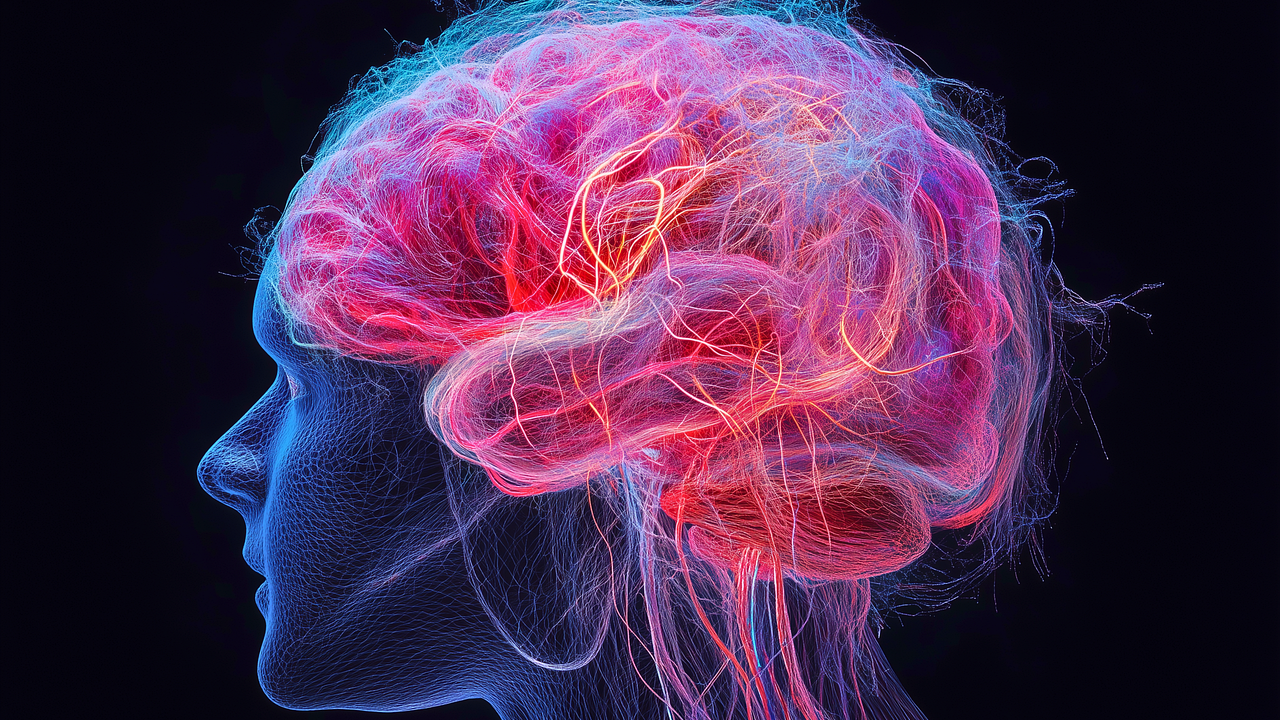
To understand emotional intelligence, resilience, relationships, and human behavior, we must first understand one of the most remarkable systems in the human body—the Central Nervous System (CNS).
The Body's Command Center
The Central Nervous System consists of two major structures:
The brain
The spinal cord
Think of the CNS as the body's command center. Every sight, sound, touch, smell, thought, memory, and emotion is processed through this system. The CNS constantly receives information, interprets it, and sends instructions throughout the body. It influences:
thoughts
emotions
behaviors
attention
decision-making
learning
stress responses
In many ways, the quality of our lives is profoundly influenced by the state of our nervous system.
Your Nervous System Is Always Asking One Question
At its core, the nervous system continually asks: "Am I safe?"
Not:
Am I successful?
Am I intelligent?
Am I productive?
But: Am I safe?
This question is being asked every second of every day, often without our conscious awareness. Your nervous system constantly scans:
facial expressions
tone of voice
body language
memories
environmental cues
internal body sensations
This process happens automatically and almost instantaneously.
How the Brain Processes Experience
Human experience follows a sequence.
Step 1: The Senses Gather Information
Through our five senses—seeing, hearing, touching, smelling, and tasting—we continuously gather information from our environment. The brainstem, one of the oldest parts of the brain, acts as an important relay station, helping process incoming sensory information.
Step 2: The Emotional Brain Interprets Meaning
Information then moves to the limbic system, often called the emotional brain. One key structure within this system is the amygdala. The amygdala functions like a smoke detector. Its primary task is to quickly answer: "Is this safe or dangerous?"
If danger is perceived, the amygdala sounds the alarm. This alarm triggers the release of chemicals such as:
adrenaline
cortisol
dopamine
oxytocin
These chemicals prepare the body for action. The challenge is that the amygdala reacts quickly, sometimes before the rational brain has fully evaluated the situation. As a result, we may react strongly to situations that merely remind us of past pain rather than actual present danger.
The Autonomic Nervous System: The Body's Autopilot
The Central Nervous System works closely with the Autonomic Nervous System (ANS), the body's automatic operating system. The ANS has two major branches.
The Sympathetic Nervous System: Fight or Flight
When the brain perceives threat, the sympathetic nervous system activates. The body prepares for survival. You may experience:
increased heart rate
rapid breathing
muscle tension
heightened alertness
narrowed attention
This system is incredibly helpful during genuine emergencies. However, modern life often activates this system repeatedly through:
deadlines
financial worries
conflict
social pressure
chronic stress
Many people live in a near-constant state of activation.
The Parasympathetic Nervous System: Rest and Digest
When safety is restored, the parasympathetic nervous system helps the body recover. Heart rate slows. Breathing deepens. Muscles relax. Digestion improves. This is the state where:
learning occurs
creativity flourishes
relationships deepen
healing takes place
reflection becomes possible
In short, we learn and grow best when we feel safe.
What Does It Mean to Be Dysregulated?
A regulated nervous system moves flexibly between activation and rest. A dysregulated nervous system becomes stuck. Some people remain chronically activated. They may experience:
anxiety
irritability
anger
hypervigilance
racing thoughts
difficulty relaxing
Others become chronically shut down. They may experience:
numbness
exhaustion
hopelessness
emotional disconnection
low motivation
brain fog
Many individuals alternate between these two extremes.
How Does Dysregulation Happen?
The nervous system can become overwhelmed when stress exceeds our ability to cope. Common causes include:
trauma
chronic stress
emotional neglect
unresolved grief
unsafe relationships
burnout
constant pressure
lack of rest
prolonged uncertainty
Over time, the nervous system may begin to anticipate danger even when no real threat exists. The body remains on alert. Survival becomes the default mode.
Why Logic Alone Is Not Enough
One of the greatest misconceptions about human behavior is the belief that people can simply "think" their way out of distress. Unfortunately, the nervous system does not work that way. When individuals are highly activated, the thinking brain—the prefrontal cortex—becomes less accessible.
Reasoning weakens.
Perspective narrows.
Impulses strengthen.
This is why:
lecturing overwhelmed children rarely works
criticism rarely calms anxious people
shame often increases dysregulation
Before people can think clearly, they must first feel safe. As many educators and therapists say: Connection precedes correction.
How Do We Regulate the Nervous System?
The good news is that regulation can be learned.
1. Regulate Through the Body
The body influences the brain. Helpful practices include:
slow breathing
walking
stretching
regular exercise
adequate sleep
proper nutrition
hydration
Even a few slow breaths can communicate safety to the nervous system.
2. Name Emotions
Research consistently shows that naming emotions reduces their intensity. Instead of suppressing emotions, we can learn to say:
"I feel anxious."
"I feel disappointed."
"I feel overwhelmed."
Awareness is the first step toward regulation.
3. Seek Safe Relationships
Human beings regulate each other. Supportive relationships communicate safety through:
empathy
presence
compassionate listening
eye contact
calm tone of voice
Healing often occurs in the context of safe relationships.
4. Practice Reflection
Once the body settles, the thinking brain can return. Reflection allows us to ask:
What happened?
What was I feeling?
What triggered me?
What do I need right now?
Reflection transforms reaction into response.
5. Cultivate Spiritual Practices
Prayer, stillness, worship, meditation, gratitude, and reflection can powerfully regulate the nervous system. The Psalmist wisely wrote: "Be still, and know that I am God." (Psalm 46:10)
Stillness is not inactivity. It is restoration.
Habits Shape the Nervous System
The nervous system learns through repetition. Repeated experiences of:
fear
chaos
criticism
emotional suppression
strengthen stress pathways. Repeated experiences of:
safety
connection
reflection
grounding
emotional expression
strengthen regulation pathways. Neurons that fire together wire together. Simply put, the nervous system adapts to what it practices most.
Why This Matters
Understanding the nervous system changes how we view ourselves and others.
Instead of asking: "What's wrong with this person?"
we begin asking: "What happened to this person?"
or "What does this person need to feel safe enough to think, learn, and connect?"
This shift transforms:
parenting
teaching
leadership
counseling
relationships
Most importantly, it transforms compassion.
Your nervous system is not your enemy. It is your lifelong protector. The goal is not to eliminate stress, emotions, or discomfort. The goal is to develop the awareness, habits, relationships, and practices that help us return to balance when life inevitably becomes difficult.
Resilience is not the absence of dysregulation. Resilience is the ability to recover. And that ability can be learned. As we better understand our nervous system, we become better equipped to understand ourselves, extend grace to others, and build the emotionally intelligent, resilient communities our world desperately needs.