
The Silent Partner in Childhood: How Children Borrow Their Nervous Systems
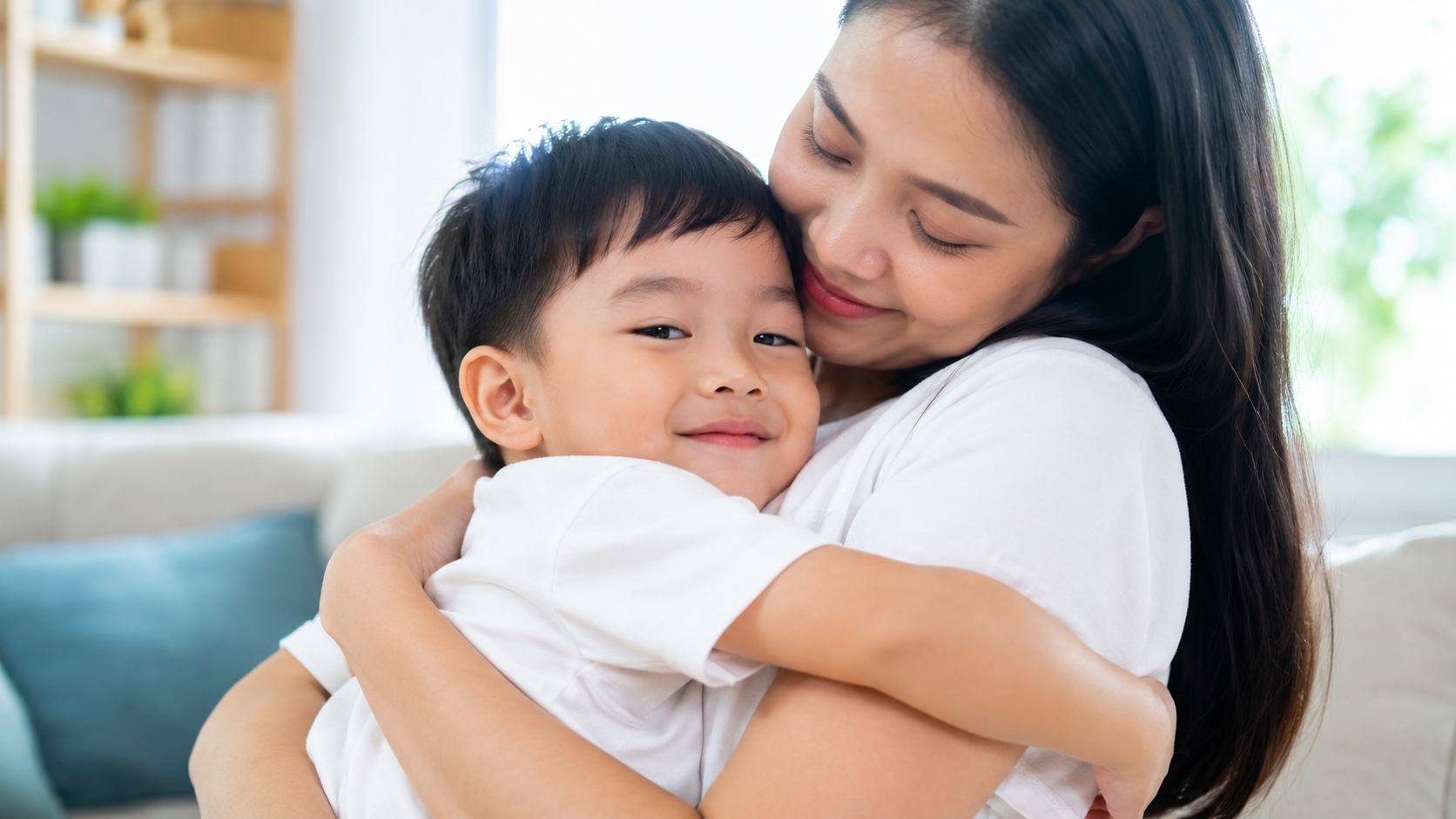
If you have ever watched a frightened child run into the arms of a calm parent, you have witnessed one of the most powerful forces in human development. The child arrives overwhelmed. The parent offers comfort. Moments later, the child begins to settle. What happened? The child's nervous system borrowed regulation from someone else's.
This process occurs thousands of times throughout childhood. Most parents never notice it. Most schools never teach it. Yet it may be one of the most important developmental processes in human life. Before children borrow our beliefs, they borrow our nervous systems. And that silent borrowing shapes much of who they become.
The First Classroom
Many people assume a child's first education begins in school. In reality, a child's first classroom is the relationship with caregivers. Long before children understand words, they study faces. Long before they understand instructions, they observe reactions. Long before they understand rules, they absorb emotional patterns.
A baby cannot regulate emotions alone. A baby's nervous system is immature. It depends on adults for stability. When a caregiver responds consistently with warmth, comfort, and safety, the child's nervous system begins to learn:
"The world is manageable."
"I am safe."
"My needs matter."
Over time these experiences become internalized. The child develops an internal sense of security. This is the beginning of resilience.
The Invisible Conversation
Every day an invisible conversation occurs between adults and children. The conversation does not happen through words. It happens through:
Tone of voice
Facial expressions
Body posture
Patience
Presence
Calmness
The nervous system constantly asks: "Am I safe?" Children are especially sensitive to the answer.
A parent's words may say: "Everything is okay." But if the parent's body communicates panic, the child often trusts the body more than the words. The nervous system listens to what is felt more than what is spoken.
Emotional Contagion
Scientists sometimes refer to this phenomenon as emotional contagion. Emotions spread. An anxious parent can unintentionally spread anxiety. An angry teacher can spread tension. A calm leader can spread confidence. Children are particularly vulnerable because their regulatory systems are still developing.
Imagine a classroom where the teacher enters frustrated and overwhelmed. Students quickly sense it. The atmosphere changes. Now imagine a teacher entering with calm presence. Students sense that as well.
The emotional climate shifts. Whether we realize it or not, we are constantly transmitting emotional signals. Children are always receiving them.
Why Some Children Struggle
Not all children begin from the same starting point. Some grow up in environments filled with stability. Others experience chaos, uncertainty, neglect, or trauma. When stress becomes chronic, the developing nervous system adapts. The child learns survival, hypervigilance, withdrawal, or defensiveness.
People often label these behaviors as problems. But many are actually adaptations. The child's nervous system is doing its best to stay safe. What looks like defiance may be fear; what looks like laziness may be overwhelm; what looks like indifference may be protection. When we understand this, compassion replaces judgment.
The Role of Teachers
Teachers are among the most powerful emotional influences in a child's life. A teacher may spend more waking hours with a child than many family members. Every interaction matters.
A teacher's calm response during conflict teaches regulation. A teacher's patience teaches safety. A teacher's empathy teaches belonging. This is why education is never only about academics. Every classroom is also an emotional training ground. Every teacher is helping shape nervous systems - whether intentionally or unintentionally.
The Gift of Co-Regulation
Children do not learn emotional regulation by being told to calm down. They learn regulation through co-regulation. Someone calm helps someone overwhelmed become calm. Someone regulated helps someone dysregulated return to balance. This is why connection often works better than correction.
Before children can think clearly, they must feel safe; before they can learn, they must regulate; before they can regulate independently, someone must help them. This process is called co-regulation. It is one of the greatest gifts adults can offer children.
What Children Remember
Years later, many children will not remember specific lessons. They may forget worksheets, they may forget lectures, they may forget test scores. But they often remember how adults made them feel -
Safe
Seen
Encouraged
Believed in
Or perhaps ignored, criticized, or dismissed
Emotional memory leaves a deeper imprint than information. People rarely remember every word a teacher spoke. They remember the atmosphere that teacher created.
A Biblical Reflection
Scripture repeatedly emphasizes the importance of children and those who influence them: "Train up a child in the way he should go..." Proverbs 22:6
Notice the word train. Training is not merely information transfer. Training involves modeling, practice, guidance, repetition, presence.
Jesus Himself often provided calm in the midst of chaos. He regulated fearful disciples during storms. He welcomed children when others pushed them away. He modeled the very emotional stability He desired to cultivate. Long before neuroscience described co-regulation, Scripture recognized the power of presence.
Worth Reflecting
Children are always learning, not only from what we teach but from who we are. They borrow our reactions. They borrow our attitudes. They borrow our emotional patterns. Eventually these borrowed patterns become their own.
The greatest gift we may give children is not simply knowledge, it is a regulated presence. A calm nervous system. A safe relationship. A steady example. Because before children borrow our beliefs, they borrow our nervous systems. And those invisible lessons often become the foundation upon which the rest of life is built.