Have you ever found yourself saying: “I know better… so why did I still do that?”
It’s a frustrating experience. You’ve learned. You’ve reflected. You understand what needs to change. And yet, in the moment that matters most, you fall back into the same behavior. Why does this happen?
Two Different Systems Within Us
To understand this, we need to recognize something important: Not all learning lives in the same place. There are two systems at work within us:
1. The Thinking Mind
This is where knowledge lives. It is responsible for:
reasoning
understanding
reflecting
planning
This is the part of you that:
attends trainings
reads books
listens to advice
says, “This is what I should do.”
It is thoughtful and intentional.
2. The Conditioned Body
This is where habits live. It operates through:
repetition
emotional memory
automatic responses
This is the part of you that:
reacts quickly
follows familiar patterns
responds without thinking
It is fast and automatic.
Why the Two Don’t Always Align
Here’s where the tension comes in. You may know the right thing in your mind. But your body has been trained to do something else. And in real-life situations—especially stressful ones— the body often moves faster than the mind.
The Speed of Habit
Habits are built through repetition. The more something is practiced, the more automatic it becomes. Over time:
the pathway becomes stronger
the response becomes quicker
the need to think becomes smaller
So when a situation arises, your system doesn’t pause to ask: “What did I learn?” It simply runs the most practiced response.
A Real-Life Example
A teacher learns:
to stay calm under pressure
to respond with patience
to regulate their emotions
But when a student:
disrupts the class
shows disrespect
pushes boundaries
The reaction happens quickly. The voice rises. The frustration shows. And afterward, the teacher thinks: “I knew better… why didn’t I do better?”
The answer is not a lack of knowledge. It is that the old pattern was more practiced than the new one.
The Body Remembers What the Mind Forgets
This is a powerful truth. Even when the mind understands something new, the body holds onto what it has practiced repeatedly. This includes:
emotional reactions
communication styles
coping mechanisms
So change is not just about learning something new… it is about training the body to respond differently.
Why Stress Makes This More Visible
In calm moments, we can access our thinking mind more easily. We can:
pause
reflect
choose our response
But under stress, the system shifts. The body moves into:
speed
protection
automatic response
And in those moments, we don’t act from what we just learned, we act from what we’ve practiced the most.
A Compassionate Reframe
Instead of saying: “Why do I keep failing?”
We might say: “What has my system been trained to do?”
This shifts the focus from judgment to understanding.
What This Means for Change
If knowledge lives in the mind and habits live in the body, then real change requires more than:
learning
insight
awareness
It requires practice - consistent, intentional practice. Because the goal is not just to understand something new, but to embody it.
From Knowing to Becoming
At first, new behaviors feel:
slow
awkward
unnatural
But with repetition:
they become more familiar
more accessible
more automatic
And over time, what once required effort becomes your new default.
A Simple Truth
“The mind can learn in a moment, but the body changes through practice.”
If you find yourself struggling to apply what you’ve learned…pause. Not to judge, but to understand. Not to criticize yourself, but to become aware of what has been practiced. Because the goal is not perfection. The goal is retraining. And retraining takes:
time
repetition
patience
So instead of asking: “Why don’t I get this?”
You might gently ask: “What am I consistently practicing?”
“We don’t become what we know…we become what we repeatedly do.”
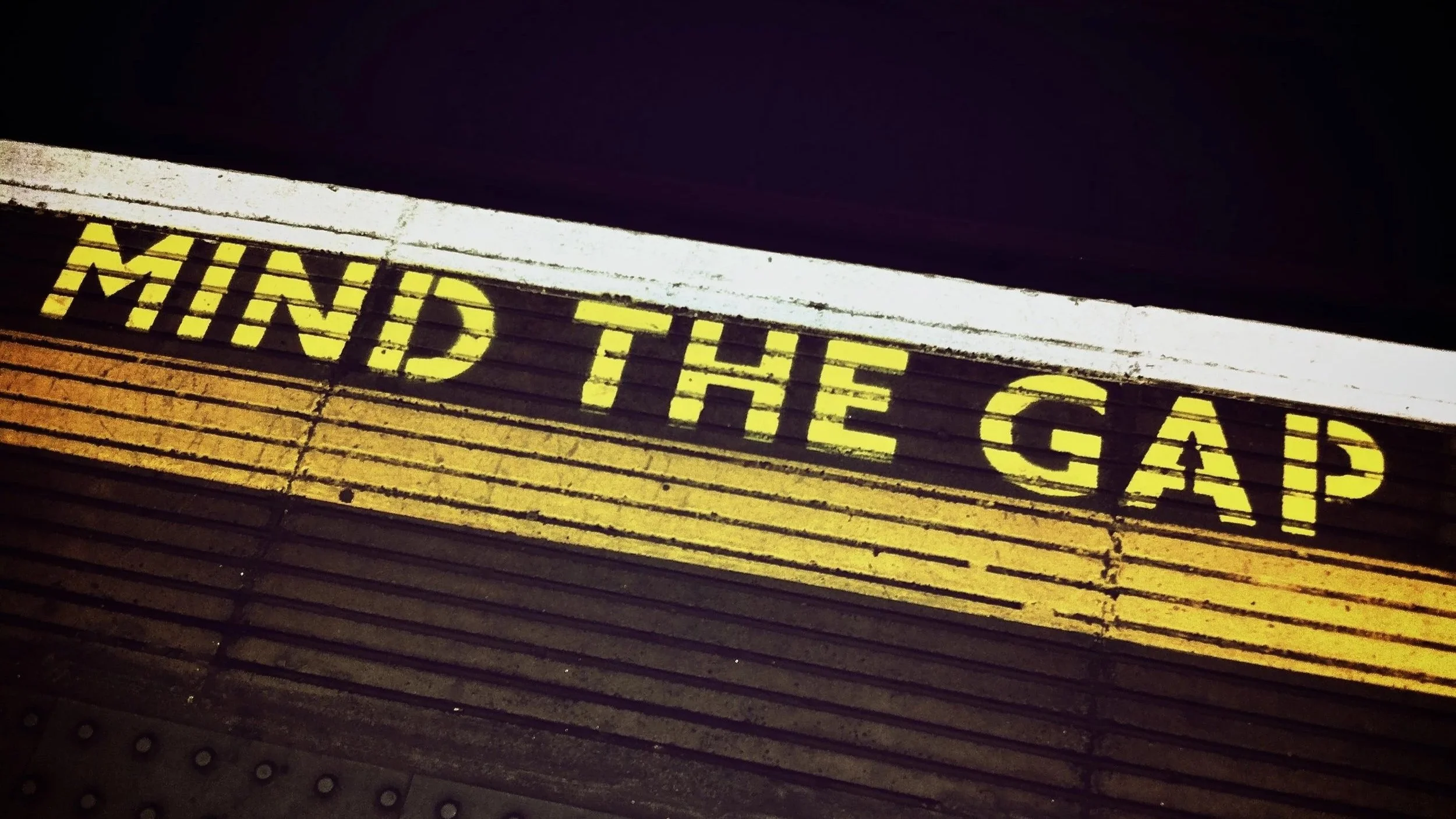
In the weeks to follow, we shall explore the “gap” between learning and doing - where the two systems live in us, one battling for survival and the other for growth. And God will make both possible! Stay with us!