
How to Change the Heart: Radical Honesty
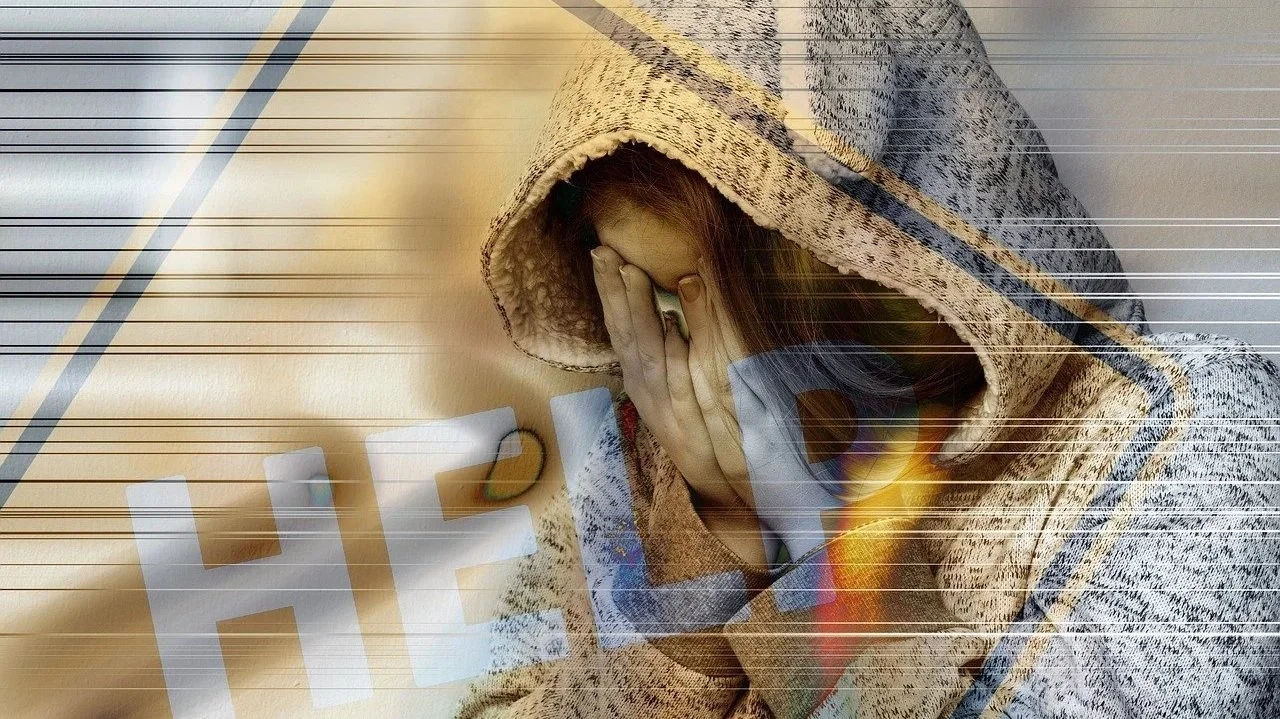
Before a heart can change, it must first come into truth. Not facts, not logic — but deep, internal honesty. We cannot heal what we continue to hide, and we cannot transform what we refuse to name.
Most people are not dishonest with others. They are dishonest with themselves. This is not moral failure — it is emotional survival. The heart often hides truth because truth feels dangerous. To admit “I am afraid,” or “I still desire what hurts me,” or “I feel empty,” can feel like stepping into exposure. Yet this is the exact doorway where transformation begins.
1. The Difference Between Knowing the Truth and Telling the Truth
Intellectual Honesty: “I know this is unhealthy.”
Emotional Honesty: “But a part of me still wants it.”
Transformation requires the second kind. We must allow the parts of ourselves we’ve silenced — fear, longing, resentment, grief — to speak.
The heart cannot change while it is silenced. Truth, even painful truth, is the first breath of freedom.
2. The Hidden Agreements That Keep the Heart Stuck
Many people remain unchanged, not because they lack desire, but because they are still bound by unspoken inner agreements, such as:
“If I let go, I will be alone.”
“If I forgive, it means what happened was okay.”
“If I change, I will lose who I am.”
“If I heal, I no longer have an excuse.”
These agreements live deep in the heart, undisturbed by logic. Until they are named, they hold power. Psychology calls this denial. Scripture calls it blindness. Wisdom calls it self-protection.
3. Why Confession is Powerful (Even Outside Religion)
Confession is not just a religious act — it is a psychological release. To confess simply means: “To speak what is inward, outward.”
Confession breaks secrecy. What is exposed to light loses dominance. This is why, spiritually, it is written: “You will know the truth, and the truth will set you free.” — John 8:32
It is not truth that frees us…it is known and spoken truth that frees us.
4. The Courage of Radical Honesty
Radical honesty is not confessing sin — it is admitting human reality:
“I am tired of pretending.”
“I don’t know how to let go.”
“I want change, but I also fear it.”
This honesty does not shame the heart. It releases it. Because, finally, it is allowed to be seen without judgment. We cannot transform what we continue to perform.
5. The Beginning of Heart Change: Hearing Yourself
Before God can heal you…
Before therapy can help you…
Before wisdom can lead you…
You must be willing to tell yourself the truth. This is where the heart loosens and says: “At last, I am safe enough to be real.”
Reflection Practice – The Unsaid Truth
Complete this sentence in writing — honestly, without moral judgment: “The truth I have not wanted to admit is…”
Then write: “What I fear will happen if I admit it is…”
Let the heart speak without correction. You are not fixing. You are witnessing.
Heart Prayer / Meditation
May we meet the truth within us with compassion, not judgment. May we have the courage to hear what our hearts have tried to say.
“Search me, Lord, and give me courage to see my inner truth. Teach me that honesty is not danger, but doorway. Let me not hide from myself.”